
The $120 Barrel: Why Your Retirement Plan Isn't a Geopolitical Hedge
The headlines this morning are heavy. As the conflict in Iran enters its third week, the technical reality is setting in. Since the initial strikes on February 28, the world has watched the Strait of Hormuz—the artery for 20% of global oil—effectively move toward a standstill (Source: CBS News). With Brent crude touching $119/bbl this week and West Texas Intermediate (WTI) hovering near $100 after a massive spike (Source: AP News), the "quiet" inflation we enjoyed in early 2026 is under threat.
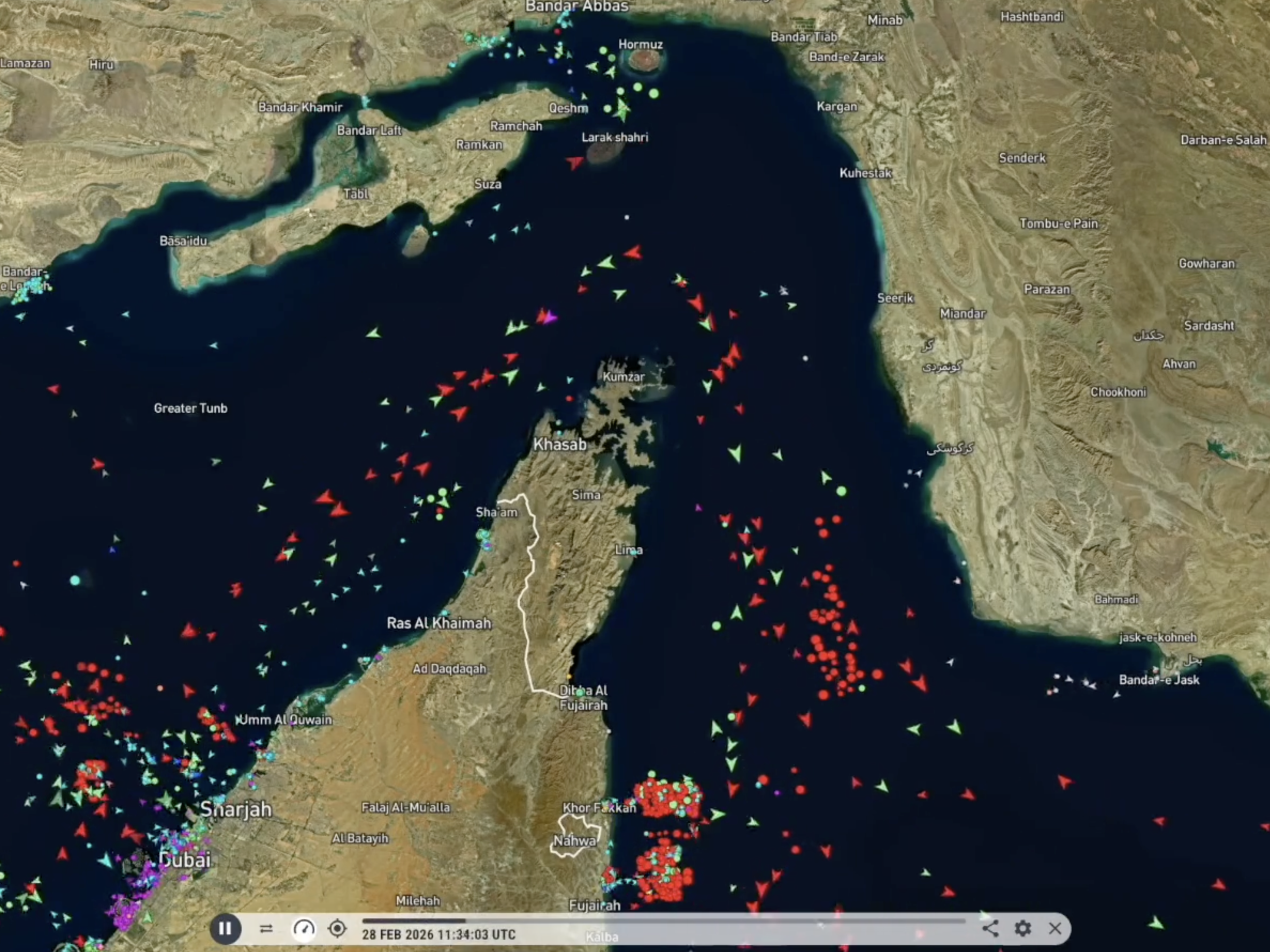
When the first strikes hit Kharg Island, the immediate instinct for many was to "do something." Sell the tech. Buy the defense stocks. Move to cash.
But here is the hard truth of wealth management: You cannot out-trade a global conflict with a 30-year retirement timeline.
At TRG Financial, we don't ignore the news, but we don't let it drive the bus either. The news tells you what happened yesterday; your financial plan tells you what needs to happen over the next twenty years.
Why the "Energy Spike" Feels Different This Time We haven't seen oil volatility like this since 2022. The disruption in the Gulf is real, with major producers like Iraq and Kuwait reporting production cuts due to the bottleneck at the Strait (Source: Kpler Commodities). However, professional planning is built for "Black Swans." We don’t build portfolios assuming the world will be peaceful 100% of the time. We build them to survive the 5% of the time it isn’t.

How We Are Responding (The "Stress Test") For our clients, we aren’t just sitting on our hands. We are leaning into our Master Planning Templates in RightCapital to run "Geopolitical Shock" scenarios. We are asking the math:
What if energy inflation stays at 8% for the next 18 months?
How does a 20% equity drawdown affect your probability of success?
Does asset location or withdrawal sequencing need to be revisited?
The point of that exercise is not to predict an outcome. It is to look at the math rather than the adrenaline, and to find out whether anything in the plan actually needs to change.
The Bottom Line You can’t control the price of crude. You can’t reopen a shipping lane. You can control your savings rate, your tax efficiency, and your emotional response to a red ticker.
If you are feeling the urge to "pivot" your entire life savings because of a 16-day-old war, let’s talk. We’ll run the numbers. Usually, the numbers are much calmer than the news.
Control the controllable.
Teach. Reflect. Grow.
B. Rollins
Sources: Data compiled from Al Jazeera, The Guardian, AP News, and CBS News reports dated March 13–15, 2026.
Disclaimer: Information about the 2026 Iran conflict reflects reports available as of March 15, 2026. This post is educational and general in nature. It is not individualized investment, tax, or legal advice, and it is not a recommendation to buy or sell any security or to take any specific action. TRG Financial does not prepare tax returns and does not provide tax or legal advice. Past performance is no guarantee of future results. Investing involves risk, including the possible loss of principal.